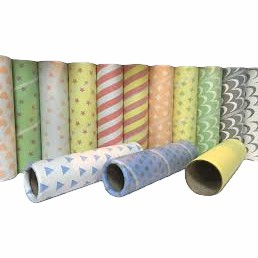

Are there any special requirements for transporting spiral paper tubes?
As a supplier of spiral paper tubes, I've encountered numerous inquiries regarding the transportation of these products. Spiral paper tubes are widely used in various industries, such as the textile, chemical fiber, and packaging sectors. Their unique structure and characteristics necessitate specific considerations during transportation to ensure their quality and integrity upon arrival.
Understanding the Nature of Spiral Paper Tubes
Spiral paper tubes are crafted by winding paper strips around a mandrel in a spiral pattern. This construction method imparts strength and durability to the tubes, making them suitable for a range of applications. However, the spiral design also makes them more susceptible to damage if not handled properly during transportation.
The primary concerns when transporting spiral paper tubes include protecting them from physical damage, moisture, and temperature fluctuations. These factors can compromise the quality of the tubes, leading to issues such as deformation, warping, or even breakage.
Physical Protection
One of the most critical aspects of transporting spiral paper tubes is providing adequate physical protection. During transit, the tubes can be subjected to various forces, such as vibrations, impacts, and compression. To prevent damage, it is essential to use appropriate packaging materials and techniques.
For smaller quantities of tubes, individual packaging can be used. This may involve wrapping each tube in a protective layer, such as bubble wrap or foam, and placing them in a sturdy cardboard box. The box should be filled with cushioning material, such as packing peanuts or shredded paper, to absorb any shocks during transportation.
For larger quantities, palletizing is a common method. The tubes are stacked on pallets and secured with stretch wrap or strapping. This not only provides stability but also makes it easier to handle and move the tubes using forklifts or other equipment. Additionally, pallets can be covered with a protective tarp to shield the tubes from dust, dirt, and moisture.
Moisture Protection
Moisture is another significant concern when transporting spiral paper tubes. Paper is a hygroscopic material, which means it can absorb moisture from the surrounding environment. Excessive moisture can cause the tubes to weaken, warp, or develop mold.


To protect the tubes from moisture, it is crucial to use moisture-resistant packaging materials. This may include using plastic bags or liners inside the boxes or pallets. Additionally, desiccants can be placed inside the packaging to absorb any excess moisture.
If the tubes are being transported in a humid environment or over long distances, it may be necessary to use climate-controlled shipping containers. These containers can maintain a stable temperature and humidity level, ensuring the tubes remain in optimal condition throughout the journey.
Temperature Considerations
Temperature fluctuations can also have a significant impact on the quality of spiral paper tubes. Extreme heat or cold can cause the paper to expand or contract, leading to deformation or breakage.
When transporting the tubes, it is important to avoid exposing them to extreme temperatures. If possible, choose a shipping method that offers temperature control, such as refrigerated trucks or containers. Additionally, it is advisable to schedule the transportation during mild weather conditions to minimize the risk of temperature-related damage.
Special Requirements for Different Types of Spiral Paper Tubes
Depending on the specific application and industry, different types of spiral paper tubes may have additional transportation requirements. For example, Nylon DTY Twisting Core, Polyester POY Paper Tube, and DTY Twisting Paper Core used in the chemical fiber industry may require extra protection due to their precise dimensions and high-quality standards.
These tubes are often used in spinning and twisting processes, where any damage or deformation can affect the quality of the final product. Therefore, they may need to be packed in custom-designed boxes or containers to ensure their safe transportation.
Conclusion
In conclusion, transporting spiral paper tubes requires careful planning and attention to detail. By understanding the unique characteristics of these tubes and implementing appropriate packaging and transportation methods, we can ensure their safe and timely delivery to our customers.
If you are in need of high-quality spiral paper tubes for your business, we invite you to contact us for a consultation. Our team of experts can provide you with detailed information about our products and help you determine the best transportation options for your specific needs.
References
- "Packaging and Shipping Guidelines for Paper Products." Packaging World.
- "Transportation of Industrial Goods: Best Practices." Logistics Management.