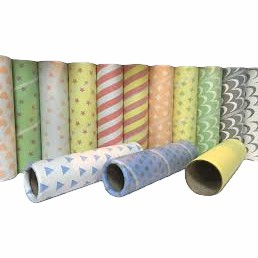

As a supplier of Large Diameter Paper Tubes, I've been frequently asked about the maximum load these tubes can bear. This is a crucial question for many industries that rely on our products, such as the chemical fiber industry. In this blog, I'll delve into the factors that determine the load - bearing capacity of large - diameter paper tubes and provide some insights based on our experience.
Understanding the Structure of Large Diameter Paper Tubes
Large diameter paper tubes are typically made from multiple layers of paper. These layers are glued together to form a strong and rigid structure. The number of layers, the type of paper used, and the quality of the adhesive all play significant roles in determining the tube's strength.
The type of paper used in manufacturing the tubes can vary. High - strength kraft paper is a popular choice due to its excellent tensile strength. It can withstand a significant amount of stress without tearing. Additionally, the quality of the adhesive used to bond the layers is vital. A high - quality adhesive ensures that the layers remain firmly attached, even under heavy loads.
Factors Affecting the Load - Bearing Capacity
1. Diameter and Wall Thickness
The diameter of the paper tube is an important factor. Generally, as the diameter increases, the tube's ability to distribute the load more evenly across its surface. However, a very large diameter may also require a thicker wall to maintain the necessary strength. A thicker wall provides more material to resist deformation and failure under load. For example, a large - diameter paper tube with a thin wall may buckle more easily compared to one with a thicker wall.
2. Length of the Tube
The length of the tube also affects its load - bearing capacity. Longer tubes are more prone to buckling under load. When a load is applied to a long tube, it can cause the tube to bend or buckle in the middle. To counteract this, additional support or reinforcement may be required for longer tubes.


3. Type of Load
The nature of the load is another crucial factor. There are two main types of loads: static and dynamic. A static load is a constant force applied to the tube, such as the weight of a coil of yarn or a roll of film. A dynamic load, on the other hand, involves forces that change over time, like vibrations or impacts. Dynamic loads are generally more challenging for the tube to withstand as they can cause sudden stress spikes.
Calculating the Maximum Load
Calculating the exact maximum load a large - diameter paper tube can bear is a complex process. It often involves engineering calculations based on the tube's material properties, dimensions, and the type of load. However, we can use some general guidelines and industry standards to estimate the load - bearing capacity.
One common approach is to conduct compression tests. In these tests, a tube is placed between two plates, and a gradually increasing load is applied until the tube fails. The maximum load at which the tube fails is recorded. Based on these test results, we can develop a formula or a set of guidelines to estimate the load - bearing capacity for tubes of similar dimensions and materials.
Applications and Load Requirements
Large diameter paper tubes have a wide range of applications. In the chemical fiber industry, they are commonly used as POY Wrapped Paper Core and POY Paper Tube. These tubes need to support the weight of the polyester yarn wound around them. The load requirements in this industry can vary depending on the thickness and length of the yarn roll.
In the packaging industry, large - diameter paper tubes are used to package large - scale products such as carpets, wallpapers, and industrial films. The load - bearing capacity of the tubes in this application is determined by the weight and size of the packaged product.
Our Experience as a Supplier
At our company, we have extensive experience in manufacturing Large Diameter Paper Tube. We have conducted numerous tests to determine the load - bearing capacity of our tubes. Our team of engineers uses advanced techniques and materials to ensure that our tubes meet the highest standards of quality and strength.
We work closely with our customers to understand their specific load requirements. Based on this information, we can customize the design of the paper tubes to meet their needs. For example, if a customer requires a tube to support a very heavy load, we may increase the number of layers or use a stronger type of paper.
Conclusion
The maximum load a large - diameter paper tube can bear is determined by a variety of factors, including the tube's diameter, wall thickness, length, and the type of load. By understanding these factors and conducting proper testing, we can accurately estimate the load - bearing capacity of our tubes.
If you are in need of high - quality large - diameter paper tubes for your specific application, we are here to help. Our team of experts can provide you with detailed information about the load - bearing capacity of our products and work with you to find the best solution for your needs. Contact us to start a discussion about your requirements and let's explore how our large - diameter paper tubes can meet your load - bearing needs.
References
- ASTM International. (Year). Standard test methods for paper and paperboard.
- TAPPI (Technical Association of the Pulp and Paper Industry). (Year). Technical guidelines for paper tube manufacturing.